Most of us walk into a room and instinctively look straight ahead. We notice the sofa, the wall color, the light coming through the window. Corners rarely get that kind of attention. They sit quietly at the edges of our vision, doing their job without complaint. And yet, corners are where design honesty shows up fastest. If something’s rushed, uneven, or poorly finished, the corners will tell on it.
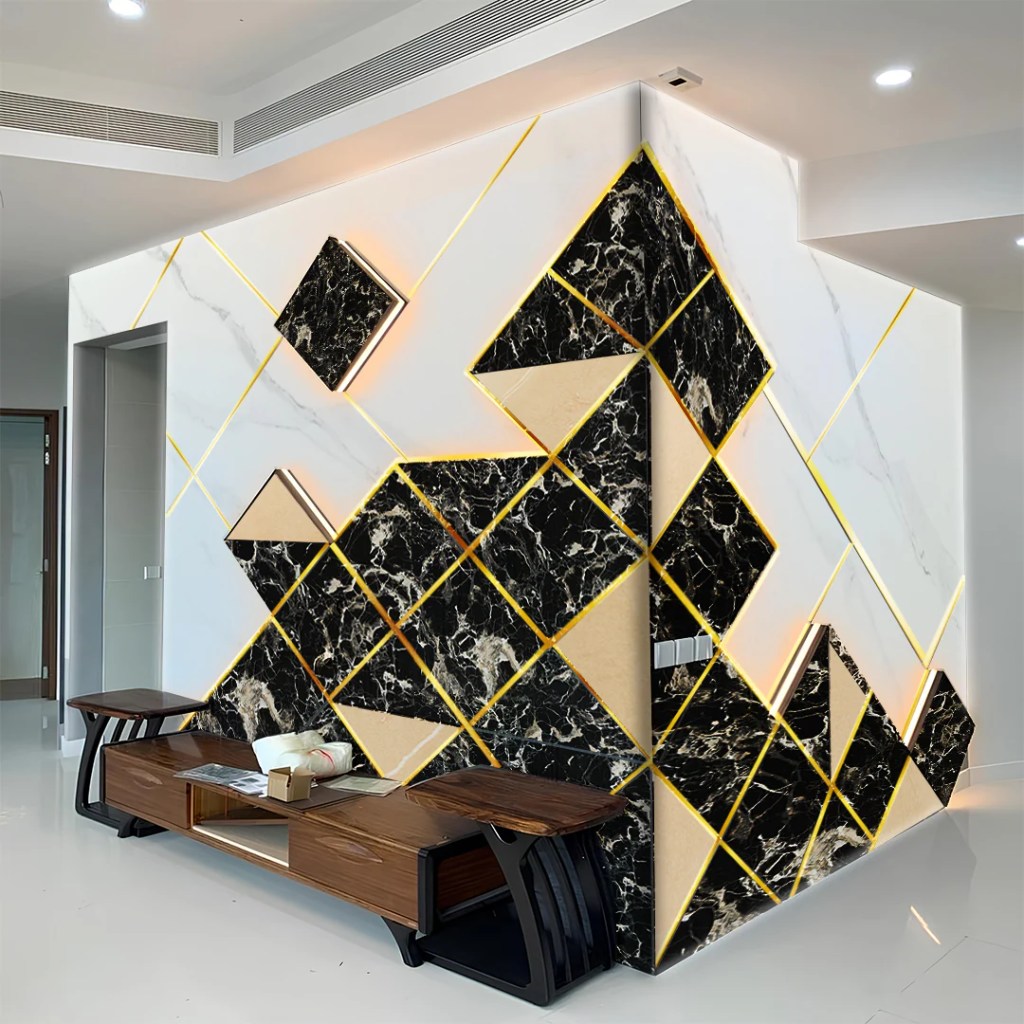
I didn’t really understand this until I lived in a rented apartment with beautifully tiled floors and walls—but badly finished edges. The tiles were good quality, the layout was neat, but every corner had chips, rough joins, and little cracks collecting dust. Cleaning felt endless. No matter how tidy the rest of the space was, those corners kept dragging the whole experience down.
That’s when it hit me: good interiors aren’t just about what you see first. They’re about what holds up over time.
Corners take abuse. Bags scrape past them. Furniture bumps into them. Mops, vacuum cleaners, shoes, even kids’ toys—all of it eventually collides with those edges. Ignoring corners in design is a bit like buying a great phone and skipping the case. It looks fine at first, but the wear shows quickly.
This is where ss corner guards quietly earn their place. They’re not decorative in a loud way. They don’t try to steal attention from tiles or walls. But they protect, reinforce, and sharpen corners in a way that feels thoughtful. Stainless steel, in particular, has a certain honesty to it. It doesn’t pretend to be something else. It’s strong, clean, and reliable. In high-traffic areas—hospitals, hotels, offices, even busy homes—it becomes less of a design choice and more of a necessity.
What I like about these guards is that they don’t just solve a problem; they reduce future problems. Walls stay cleaner. Paint lasts longer. Tiles don’t chip as easily. Over time, the space ages better, and that’s something you only appreciate after living with it for a while. It’s the difference between a room that looks good on day one and one that still feels cared for after years of use.
There’s also a visual benefit that often goes unnoticed. Clean, straight corners give a sense of order. They frame the space. Even if someone can’t explain why a room feels “neat,” sharp corners are often part of the reason. It’s subtle psychology, but it works.
Corners in tiled areas are a whole different story. Tiles are unforgiving. Once chipped, they rarely look the same again. And the meeting point of two tiled surfaces—especially in bathrooms and kitchens—is where mistakes are hardest to hide. Grout cracks. Edges crumble. Moisture creeps in. Anyone who’s dealt with bathroom maintenance knows how fast this can escalate.
That’s why tile corner trim matters more than people think. It creates a clean finish where tiles meet, protecting edges while also improving the overall look. Instead of exposed tile ends or uneven grout lines, you get a smooth, intentional transition. It’s one of those things that feels almost invisible when done right, but painfully obvious when skipped.
There’s something satisfying about running your hand along a tiled corner and feeling a smooth edge instead of a sharp, chipped one. It’s a small comfort, but those small comforts add up. They make spaces easier to live in, easier to maintain, and frankly, easier to love.
Design trends come and go. One year it’s matte finishes, the next it’s high gloss. Colors cycle endlessly. But practical details like corner protection stay relevant because they’re rooted in daily life, not fashion. People will always bump into walls. Water will always splash in bathrooms. Cleaning will always happen. Design that respects these realities tends to last.
I’ve noticed that homeowners who pay attention to these details often feel more confident about their spaces. There’s less anxiety about damage, fewer repairs, and less of that nagging feeling that something’s “off.” Commercial spaces benefit even more. When corners stay intact and clean, the entire place looks better maintained, even if nothing else has changed.
There’s also an unspoken professionalism to well-finished corners. In offices and retail spaces, they signal care. They suggest that someone thought beyond appearances and considered longevity. Customers may not consciously notice, but they feel it. The environment feels trustworthy, solid, well put together.
Of course, none of this means you need to turn your home into a showroom. Design should still feel human. Lived-in. Warm. But protecting the parts of a space that take the most wear is just sensible. It’s not about perfection; it’s about foresight.
What’s interesting is how these elements blur the line between design and maintenance. They make upkeep simpler. Cleaning becomes faster. Repairs become rarer. And over time, that ease changes how you interact with the space. You worry less. You enjoy more.


 pulsemarket
Leave a comment