When building or renovating a tennis court, two factors play a vital role in performance, safety, and player satisfaction: the surface and the dimensions of the court. Whether the court is for recreational or professional use, proper planning and execution ensure the facility delivers consistent gameplay, long-term durability, and a pleasing appearance. The right tennis court surfacing also minimizes injury risks while enhancing ball bounce and player movement.
Tennis court surfacing options vary depending on the level of play, climate, budget, and personal preference. The most popular surface types include hard courts (acrylic on asphalt or concrete), clay courts, and grass courts. Acrylic surfaces are the most widely used worldwide due to their low maintenance, weather resistance, and medium-fast ball speed. These surfaces offer excellent traction and can be customized with cushioning layers to reduce joint strain, making them ideal for both competitive and recreational settings.
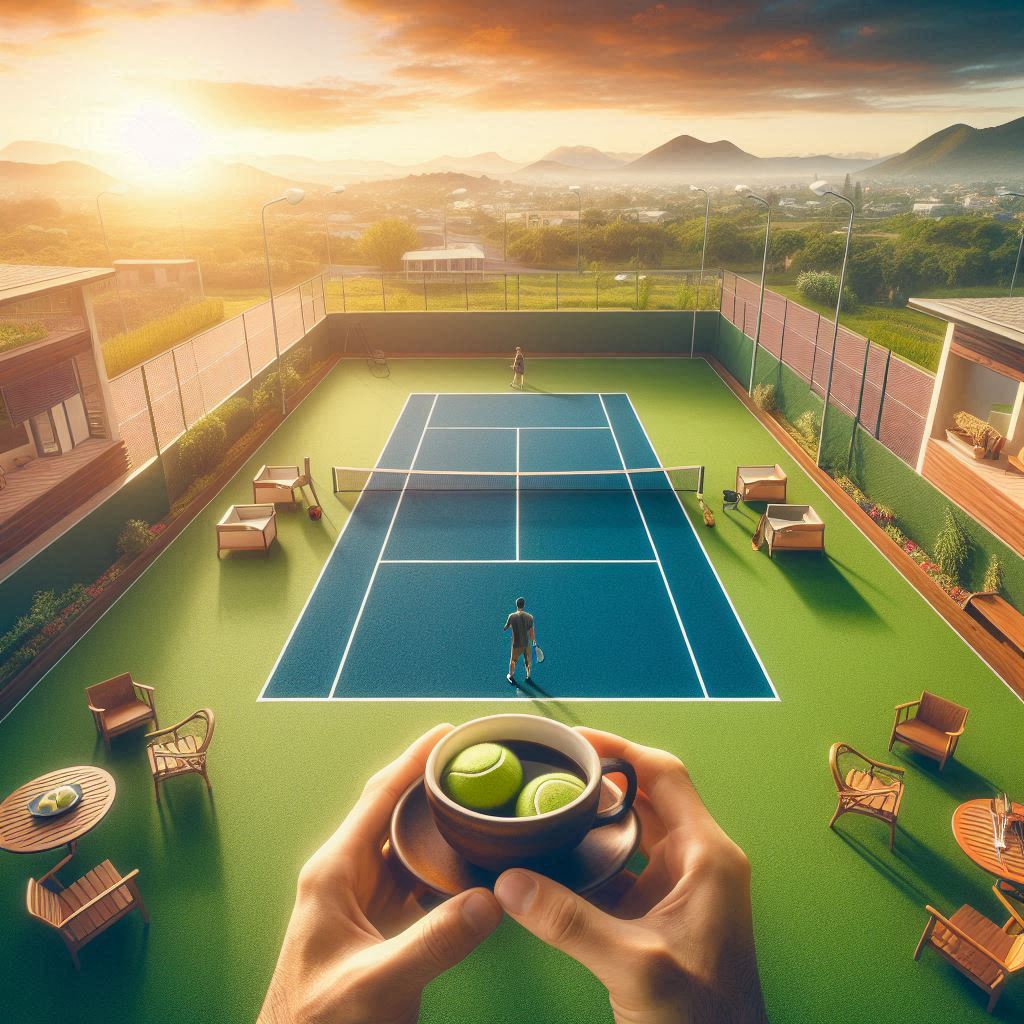
Clay courts, often made from crushed stone, brick, or shale, provide a slower game and are gentler on the body but require more maintenance. Grass courts offer a fast game with low bounce and require regular mowing and upkeep. Synthetic turf is another option that mimics grass while offering easier maintenance. The choice of surfacing depends on how the court will be used and the conditions in which it will operate.
Along with surface selection, understanding tennis court size is essential for correct planning and construction. A standard tennis court measures 78 feet in length and 27 feet wide for singles matches, and 36 feet wide for doubles. For professional or tournament play, additional space is needed beyond the court lines to allow players room to move. The total area, including run-off zones, should ideally be 120 feet by 60 feet.
Accurate court dimensions ensure fair play, safety, and compliance with international standards. Whether indoors or outdoors, the layout must include a net positioned at 3 feet high in the center, with clear, well-marked baselines, sidelines, and service boxes. Proper lighting, fencing, and drainage should also be incorporated into the design to support consistent play regardless of weather or time of day.


Leave a Reply